
What’s the Difference Between a Foot Health Practitioner and a Podiatrist?
When it comes to looking after your feet, you may have come across both Foot Health Practitioners (FHPs) and Podiatrists. While both are highly skilled professionals who care for foot health, there are some key differences in their roles, qualifications, and the treatments they offer. In this article, we’ll break down these differences to help you understand which professional might be best suited to your needs.
What is a Foot Health Practitioner?
A Foot Health Practitioner is trained to assess and care for general foot health issues. They focus on providing preventative care and maintenance to keep your feet in good condition.
Key Facts About Foot Health Practitioners:
- Training: FHPs complete accredited courses that focus on practical foot care skills and knowledge of common foot conditions. While their training is extensive, it is shorter than that of a podiatrist.
- Services Offered: FHPs treat minor foot health concerns such as:
- Corns and calluses
- Thickened or fungal toenails
- Ingrown toenails (in non-severe cases)
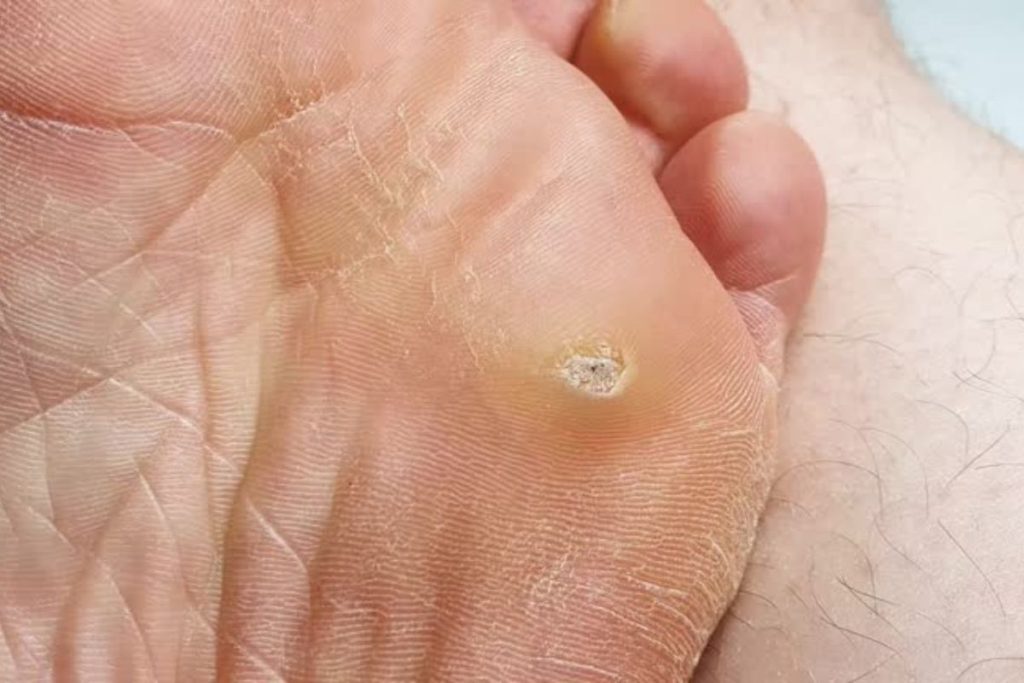
- Verruca care
- General foot health check-ups
- Diabetic foot care (monitoring and maintenance, but not advanced treatment)
- Regulation: Foot Health Practitioners are not regulated by law but often register with professional bodies, such as the Alliance of Private Sector Practitioners, to demonstrate their commitment to high standards.
What is a Podiatrist?
A Podiatrist (also known as a chiropodist) is a healthcare professional who specialises in diagnosing, treating, and preventing foot and lower limb conditions. Their role is more medical in nature compared to that of a Foot Health Practitioner.
Key Facts About Podiatrists:
- Training: Podiatrists undergo degree-level education, often lasting three or four years, which includes both academic and clinical training. They are trained in more advanced treatments and surgical procedures.
- Services Offered: Podiatrists can address more complex foot health concerns, such as:
- Foot deformities and biomechanical issues (e.g., flat feet)
- Advanced diabetic foot care, including wound management
- Minor surgeries (e.g., ingrown toenail surgery)
- Prescription of orthotics (custom foot supports)
- Sports injuries and rehabilitation
- Regulation: Podiatrists are regulated by the Health and Care Professions Council (HCPC), ensuring they meet strict professional standards.
Key Differences Between a Foot Health Practitioner and a Podiatrist
| Aspect | Foot Health Practitioner | Podiatrist |
|---|---|---|
| Training | Shorter, practical courses | Degree-level education |
| Scope of Practice | General foot care and maintenance | Advanced medical and surgical care |
| Regulation | Voluntary registration with professional bodies | Mandatory regulation by the HCPC |
| Common Conditions Treated | Corns, calluses, minor nail issues | Complex conditions, sports injuries, surgeries |
Which Should You Choose?
Your choice between a Foot Health Practitioner and a Podiatrist depends on your specific needs:
- For general foot care: If you’re looking for routine maintenance, such as trimming thickened nails or removing corns, a Foot Health Practitioner can provide excellent care.
- For more complex issues: If you have chronic pain, foot deformities, or need advanced treatments, a Podiatrist’s expertise may be necessary.
At The Barefoot Clinic in Cornwall, we specialise in providing high-quality foot health care tailored to your needs. If you’re unsure who to see, feel free to contact us for advice.
FAQs
Do I need a referral to see a Foot Health Practitioner or a Podiatrist?
No, you can book an appointment directly with either professional without a referral.
Can a Foot Health Practitioner treat diabetic feet?
Yes, but only for preventative care and general maintenance. For advanced diabetic foot issues, consult a Podiatrist.
Are Foot Health Practitioners qualified?
Yes, they complete accredited training courses and often register with professional bodies to uphold high standards.
What is the difference between a Podiatrist and a Chiropodist?
In the UK, the terms Podiatrist and Chiropodist mean the same thing, but “Podiatrist” is the modern term.
Can a Podiatrist perform surgery?
Yes, Podiatrists can perform minor surgical procedures, such as ingrown toenail surgery.